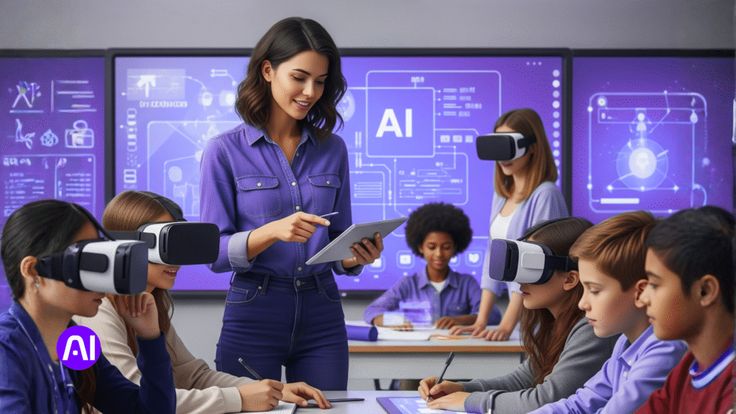
In 2025, artificial intelligence is reshaping the world of education more profoundly than ever before. Schools, universities, and online learning platforms across the United States are adopting advanced AI tools that enhance teaching, personalize learning, and help students achieve better outcomes. As educational needs evolve, AI in education 2025 marks a major turning point where technology becomes an essential partner for teachers and learners alike.
Below, we break down the most important ways AI is transforming learning this year — from smart tutoring systems and adaptive learning platforms to virtual classrooms and advanced analytics.
1. Personalized Learning Powered by Adaptive AI
One of the biggest transformations in 2025 is the rise of adaptive learning systems that personalize education for every student. These platforms use machine learning algorithms to adjust lessons in real time based on performance, behavior, and engagement.
Key advantages include:
- Custom difficulty levels for each student
- Immediate feedback after quizzes and exercises
- Faster progress for advanced learners
- Additional support for students who need more time
- Reduced learning gaps between students
This approach allows learners to move at their own pace, increasing motivation and retention. Adaptive platforms like these are now widely used in K–12 classrooms and higher education in the U.S., making personalized learning accessible to everyone.
2. Intelligent Tutoring Systems Provide 24/7 Academic Support
Intelligent Tutoring Systems (ITS) are another major breakthrough in AI in education 2025. These AI-powered tutors simulate one-on-one instruction by offering explanations, correcting mistakes, and providing study recommendations.
New capabilities include:
- Step-by-step guidance for math and science problems
- Real-time writing feedback and grammar correction
- AI-generated study plans based on student weaknesses
- Personalized quizzes that adapt to learning progress
- Virtual explanations modeled after expert teachers
These tools give students instant academic support without waiting for office hours or tutoring appointments, improving success rates and overall confidence.
3. Virtual Classrooms Become Immersive and Interactive
In 2025, AI-driven virtual classrooms are significantly more immersive than traditional online learning. Powered by real-time AI translation, interactive avatars, and smart collaboration tools, virtual learning environments now feel closer to in-person experiences.
Key innovations include:
- AI-powered transcription for accessibility
- Real-time multilingual translation for diverse classrooms
- Virtual simulations for science labs and engineering
- Interactive group work facilitated by AI moderators
- Automated attendance and participation tracking
As remote learning continues to grow in popularity, these innovations ensure flexibility without sacrificing quality.
4. AI-Assisted Lesson Planning and Teacher Productivity Tools
AI is not only transforming how students learn — it is also making educators’ lives easier. Teachers in 2025 rely on AI tools to create curriculum materials, grade assignments, and analyze class performance.
AI tools for teachers include:
- Automated quiz and worksheet generators
- Lesson plan creation based on learning standards
- Essay and exam grading assistants
- Attendance and behavior tracking
- AI dashboards showing class-level progress
By reducing administrative workload, teachers can spend more time engaging directly with students and improving classroom interactions.
5. Assessment and Feedback Become More Accurate With AI Analytics
AI-powered analytics have become a cornerstone of modern education. In 2025, learning platforms use big data to offer precise insights into how students learn and where they struggle.
Benefits include:
- Early detection of learning difficulties
- Recommendations for targeted teaching strategies
- Predictive analytics identifying at-risk students
- Detailed reports on individual and class performance
- Real-time tracking of progress toward learning goals
This data-driven approach helps create equitable learning experiences for all students, regardless of their background or skill level.
6. AI Bridges the Gap in Special Education
AI is also advancing accessibility. Tools like speech-to-text, text-to-speech, emotion recognition, and personalized learning assistants are transforming special education in the U.S.
Key improvements include:
- AI tools for students with dyslexia and ADHD
- Real-time captioning for hearing-impaired learners
- Emotion-aware assistants that monitor frustration or stress
- Personalized reading and comprehension support
- Custom pacing for students with learning differences
These technologies ensure inclusivity by providing every learner the support they need.
7. AI Career Guidance and Skill Development Platforms
In 2025, AI-powered career guidance tools help students choose academic paths, identify strengths, and build job-ready skills.
Features include:
- Personality and skill assessments
- AI-analyzed job market trends
- Personalized course recommendations
- Resume and portfolio feedback
- Roadmaps for in-demand careers like healthcare, tech, and design
These tools prepare students for real-world careers by aligning education with workforce needs.
Conclusion
From personalized learning and intelligent tutoring systems to AI-assisted classrooms and powerful analytics, AI in education 2025 is redefining how students learn and teachers teach. This year marks a major shift toward more adaptive, inclusive, and data-driven learning environments across the United States.
Artificial intelligence is not replacing educators — it’s empowering them. And as AI continues to evolve, the future of education looks more personalized, efficient, and accessible for every learner.